Regulatory Tailwind for Established Exchanges
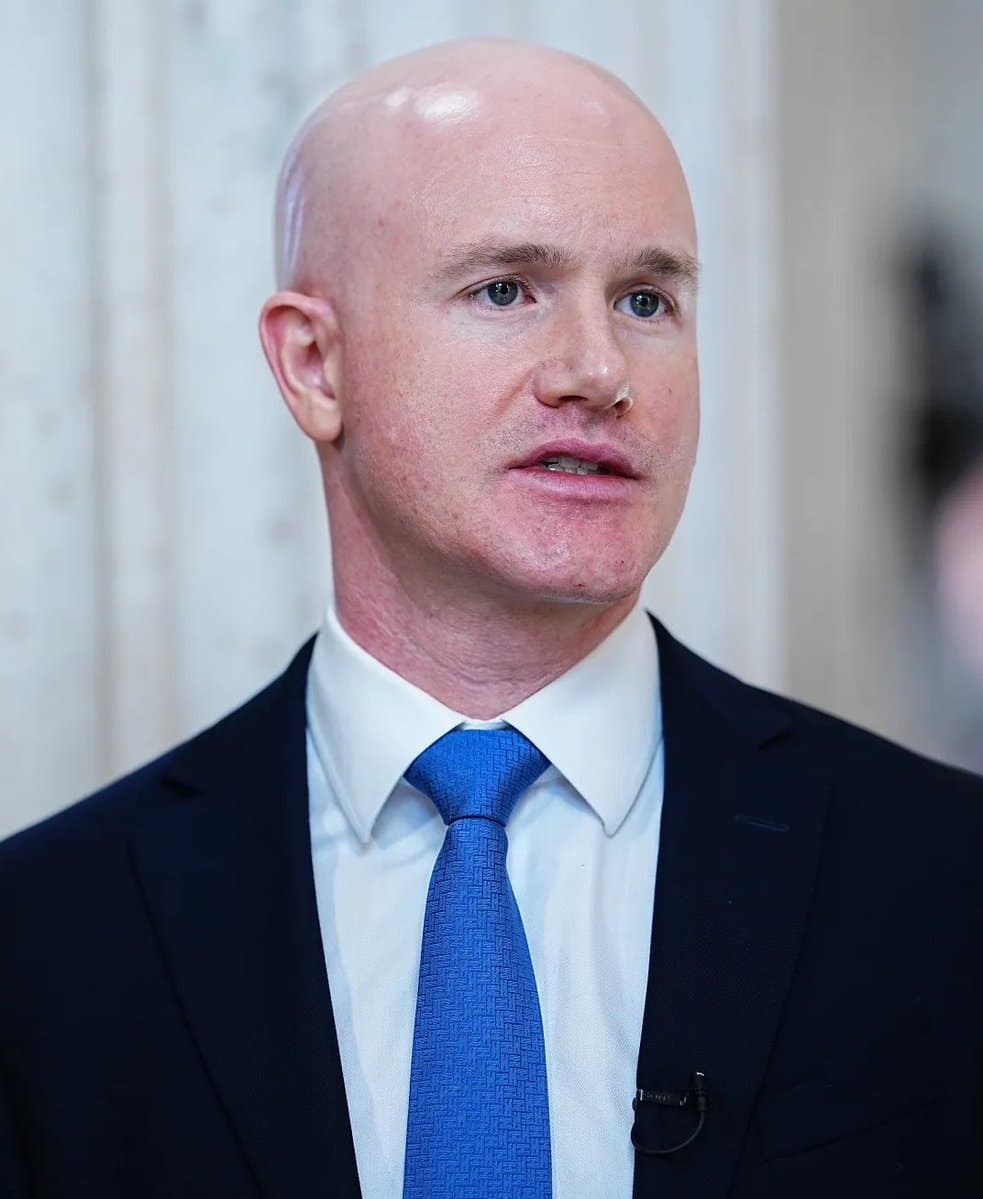
Coinbase CEO Brian Armstrong has publicly backed the proposed Crypto Clarity Act as a mechanism to prevent institutional collapses similar to FTX. The framing matters for equity traders: clearer regulatory guardrails reduce operational and legal risk for compliant exchanges, potentially widening competitive moats against unregulated or offshore competitors. Armstrong's statement suggests Coinbase is positioning itself as the institutional-grade, regulation-friendly player in U.S. crypto infrastructure.
This regulatory narrative directly affects Coinbase's valuation multiple. Markets reward predictability and reduced tail risk. If the Clarity Act passes, it signals a shift toward formalized custody standards, capital requirements, and segregation rules - all areas where Coinbase already operates within existing compliance frameworks. The equity premium for regulatory clarity should reflect lower perceived risk of government action or enforcement.
Structural Context: Exchange Consolidation and Moat Defense
Coinbase has roughly 30% of U.S. spot exchange volume and dominates institutional access to regulated derivatives. Regulatory clarity reinforces that dominance by raising barriers to entry for new competitors. A small, under-capitalized exchange cannot absorb the compliance and legal costs of operating under a formalized Clarity Act framework; Coinbase can.
The FTX precedent cut both ways for Coinbase stock. The collapse damaged retail confidence in crypto broadly (negative for trading volume and COIN's transaction fee revenue), but it also accelerated institutional migration toward regulated venues. Coinbase captured significant inflows post-FTX. A legislative framework that explicitly protects customer funds and segregates proprietary trading from exchange operations favors Coinbase's existing business model and further entrenches it against future upstarts.
Armstrong's public advocacy also signals proximity to lawmakers. That political capital has tangible business value - it reduces the odds of surprise regulation or hostile enforcement that could crater the stock.
Revenue and Fee Structure Implications
Coinbase generates roughly 85-90% of revenue from transaction fees, with smaller contributions from staking, prime services, and subscription products. Regulatory clarity doesn't directly drive trading volume, but it does restore institutional confidence and enables larger custody mandates. Institutions commit capital to custodial solutions when legal and operational risk are clear and manageable.
Read the full analysis.
Enter your email to unlock this article — and get every new Brief delivered the moment it publishes. Free. No spam.
No spam. Unsubscribe anytime. The desk's read, free.
The terminal behind this read. Free.
Open The Desk →Live charts, positioning and macro — arranged your way. No account needed.
Live data behind this story: the real-time crypto terminal →