The Discovery and Its Market Context
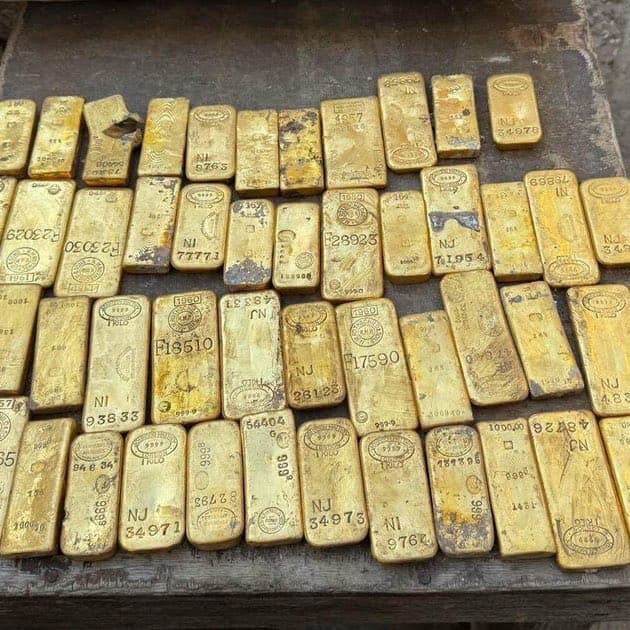
A significant gold find in Belgium - reported at roughly $10 million in value - has surfaced during building renovations. While isolated discoveries are not uncommon, the size and circumstances of this cache warrant examination through a commodities market lens. The workers reported the discovery to authorities immediately, establishing a documented chain of custody and preventing the asset from entering black market channels.
Gold's price discovery mechanism relies on visible, tracked supply flows. When substantial quantities exist outside documented reserves - whether in private holdings, institutional vaults, or construction sites - it introduces uncertainty into supply models that traders and central banks use to forecast availability and spot prices.
Supply Transparency and Institutional Demand
Central bank gold reserves remain the bedrock of macro confidence in the commodity. Total reported global reserves hover near 50,000 metric tons. The Belgium discovery, while material at face value, represents a microscopic fraction of known supply - approximately 0.0002% of global reserves at current estimates.
However, the broader narrative around undocumented or rediscovered gold is relevant to institutional traders monitoring physical supply constraints. Many European nations have historical gold caches that were hidden, lost, or forgotten during geopolitical shifts throughout the 20th century. Periodic discoveries fuel speculation about total above-ground gold stocks, which in turn influences long-term spot price expectations and central bank policy toward physical accumulation.
Retail and institutional buyers often use such events as touchstones for discussions around gold's intrinsic scarcity and the security of stored bullion across institutional frameworks.
Structural Implications for Gold Markets
The discovery occurs against a backdrop of elevated gold prices driven by macroeconomic factors: geopolitical tension, central bank demand, and uncertainty around real interest rates. Spot gold has traded near historical highs in recent sessions, supported by safe-haven flows and inflation hedging demand.
Read the full analysis.
Enter your email to unlock this article — and get every new Brief delivered the moment it publishes. Free. No spam.
No spam. Unsubscribe anytime. The desk's read, free.
The terminal behind this read. Free.
Open The Desk →Live charts, positioning and macro — arranged your way. No account needed.
Live data behind this story: the real-time crypto terminal →